Tractor Exhaust System: A Comprehensive Maintenance Guide
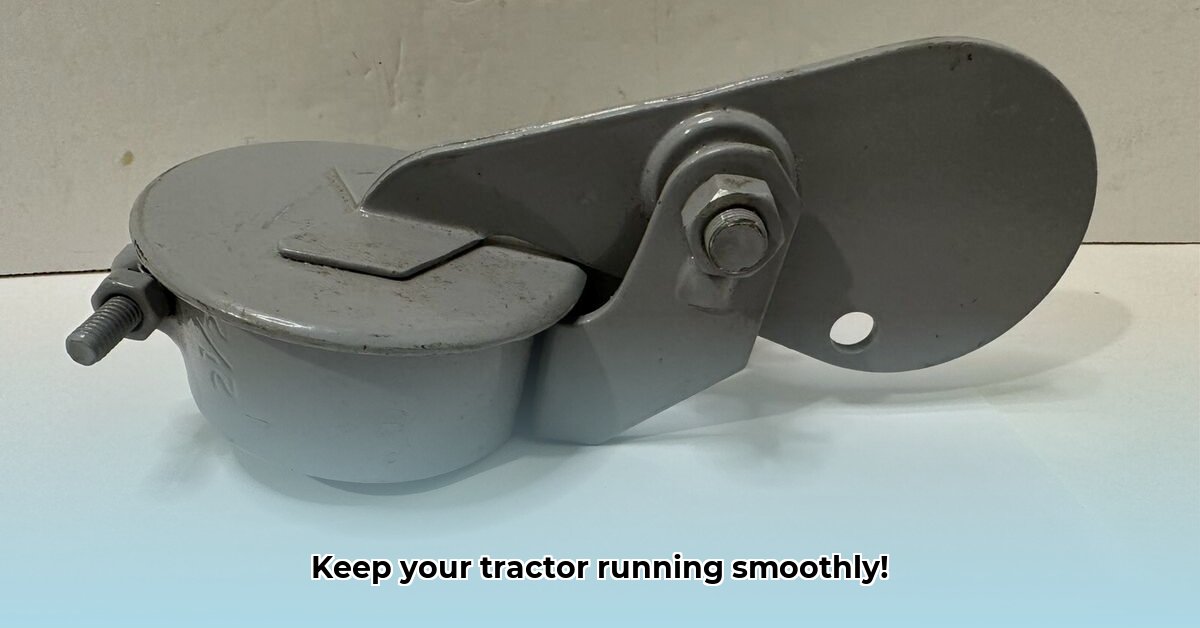
Keeping your tractor's exhaust system in optimal condition is crucial for efficient operation, longevity, and, most importantly, safety. This guide provides a step-by-step approach to inspecting, troubleshooting, and maintaining your tractor's exhaust system, often referred to as "tractor flaps" in general terms. This encompasses various components from the manifold to the tailpipe.
Safety First: Preparing for Exhaust System Work
Before beginning any work on your tractor's exhaust system, prioritize safety. Always disconnect the negative terminal of your tractor battery to prevent accidental electrical shocks. Wear safety glasses to protect your eyes from debris and work gloves to prevent burns from hot exhaust components. Ensure the tractor is turned off and has cooled down sufficiently before starting any inspection or repair.
Step-by-Step Inspection: Identifying Potential Problems
A thorough visual inspection is the first step in maintaining a healthy exhaust system. This involves a systematic examination of each component.
Step 1: Visual Scan of the Entire System
Carefully examine the entire exhaust system, from the engine manifold to the tailpipe. Look for:
- Cracks or Holes: These indicate leaks, reducing efficiency and potentially creating dangerous carbon monoxide buildup.
- Rust or Corrosion: Rust weakens the metal, increasing the risk of leaks and component failure.
- Loose Clamps or Bolts: Loose connections are a primary cause of exhaust leaks and rattling noises.
- Bends or Kinks: These restrict exhaust flow, reducing engine performance and potentially causing overheating.
Step 2: Listening for Leaks
Start the tractor's engine and carefully listen for any hissing or whistling sounds, which are common indicators of exhaust leaks. A change in the usual engine sound also warrants investigation.
Step 3: The Soapy Water Leak Test
Mix a solution of soapy water in a spray bottle. Spray this solution onto all connections and seams of the exhaust system. Persistent bubbling indicates a leak at that specific location.
Step 4: Muffler Inspection
Carefully inspect the muffler for dents, cracks, rust, or any other signs of damage. A damaged muffler can dramatically increase noise levels and may not adequately reduce harmful emissions.
Step 5: Pipe and Connection Integrity Check
Examine the entire exhaust piping for any signs of dents, damage, or excessive rust. Verify that all clamps and bolts are securely fastened. Loose connections are a common source of problems.
Common Exhaust Problems and Their Solutions
Here are some frequently encountered exhaust system issues and practical solutions:
| Problem | Solution |
|---|---|
| Cracked or Damaged Exhaust Pipe/Component | Repair minor cracks with a patching kit or replace the damaged section. |
| Muffler Leaks | Tighten clamps first; if the leak persists, muffler repair or replacement may be necessary. |
| Rust and Corrosion | Clean affected areas with a wire brush and apply a rust-preventative coating. |
| Blocked Exhaust Pipe | This requires careful investigation and may necessitate professional assistance. |
| Loose Connections | Tighten all clamps and bolts securely using the appropriate tools. |
Preventative Maintenance: Proactive Measures for a Longer Lifespan
Regular preventative maintenance significantly extends the life of your tractor's exhaust system and minimizes the risk of costly repairs.
- Regular Visual Inspections: Incorporate a visual check of the exhaust system into your routine tractor inspections. Early detection of issues is key.
- Cleanliness: Regularly remove dirt and debris that can accumulate and accelerate corrosion.
- Lubrication: Apply a high-quality lubricant to all connections during assembly and periodically thereafter to prevent corrosion and facilitate tightening.
When to Seek Professional Help
If you’re uncomfortable performing any repairs yourself, or if the problem appears complex, consult a qualified mechanic. Attempting complex repairs without proper expertise can lead to further damage or create unsafe conditions. For major repairs or system overhauls, professional assistance is recommended.
Remember, a well-maintained exhaust system is vital for the efficient and safe operation of your tractor. Regular inspections and preventative maintenance are your best defense against costly repairs and ensure your tractor runs smoothly for years to come.